 Skip to content
We spend a significant amount of time on our furniture. From binge-watching favorite shows to hosting family game nights, the living room sofa is the center of domestic life in Redlands. Because of this heavy usage, high-quality furniture is a major financial investment. When that expensive sectional starts to look dingy or smell a bit stale, the initial reaction might be to start shopping for a new one.
However, before you spend thousands on a replacement, consider the science of restoration. Most furniture isn’t “worn out”—it’s simply “uglied out.” The structural frame and foam are often still in great shape, but the fabric has become laden with soils that dull the color and flatten the texture. Professional upholstery cleaning is the most cost-effective way to protect your investment and restore the comfort of your home.
The Invisible Filter You Sit On
Just like your carpet, your upholstery acts as a filter. But unlike your floor, your furniture comes into direct contact with your skin and hair. Over time, upholstery absorbs a tremendous amount of body oils, perspiration, dead skin cells, and beauty products (like lotions and hair gels).
This accumulation creates a sticky film on the fabric that attracts dust and dirt. Have you ever noticed dark patches on the armrests or the headrest of your recliner? That is oxidized body oil trapping soil. Beyond the aesthetic issue, this oily build-up can actually degrade the fabric. The acidity in perspiration can weaken natural fibers like cotton and linen over time. According to Architectural Digest, regular maintenance is essential to prevent these oils from becoming permanently embedded in the weave, which can lead to discoloration that is impossible to reverse.
Decoding the Tags: Why DIY Is Risky
One of the biggest risks homeowners take is attempting to spot-clean their own furniture without understanding the fabric type. Flip over a sofa cushion, and you will likely find a tag with a cleaning code (W, S, WS, or X). Ignoring this code is a recipe for disaster.
- Code S: Means you must use solvents only (dry clean). Using water on these fabrics can cause shrinking, water rings, or dye bleeding.
- Code X: Means vacuum only. Any liquid cleaner could ruin it.
- Code W: Means water-based cleaners are safe.
Many over-the-counter upholstery cleaners are water-based. If you spray them on a Code S velvet or rayon blend, you might permanently alter the texture of the nap or cause a brown water stain that is harder to fix than the original spot. Professional cleaners are trained to identify fibers—from durable synthetics to delicate natural blends—and choose the appropriate chemistry to clean them safely. Resources like Real Simple emphasize that checking the manufacturer’s label is the first rule of fabric care, but interpreting those rules effectively requires professional tools.
Odor Elimination vs. Masking
Fabrics are porous, meaning they hold onto odors. Pet smells, cooking aromas (like fried food or fish), and smoke can become trapped deep in the foam cushions. Spraying a fabric refresher might mask the smell for a few hours with a floral scent, but it doesn’t remove the source of the odor.
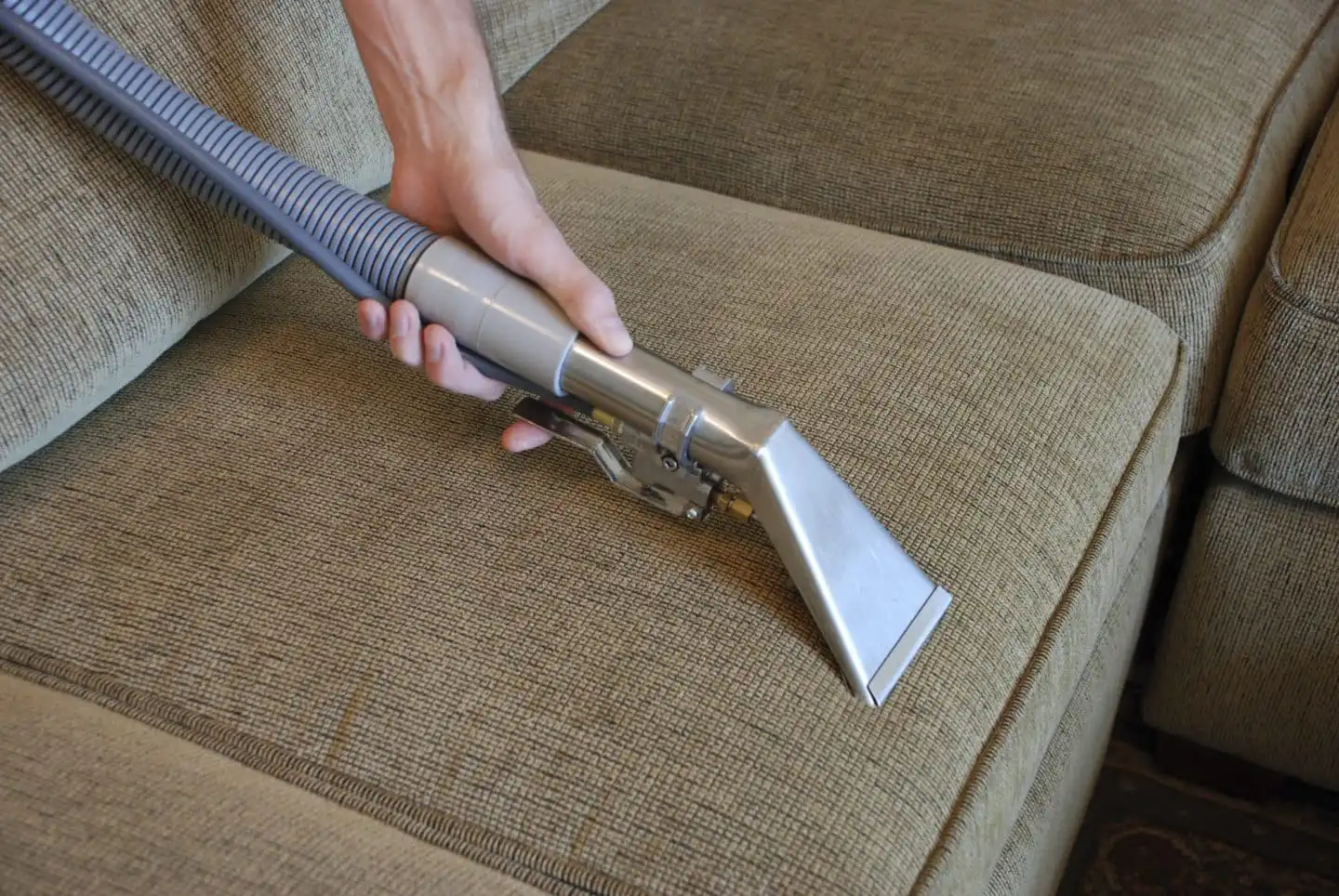
To truly deodorize furniture, the source of the bacteria causing the smell must be extracted. Professional injection-extraction cleaning reaches deeper than surface sprays. By using enzymatic cleaners that break down organic matter (like pet dander or food spills), we can neutralize the odor at the molecular level. This leaves your furniture smelling authentically fresh, not just perfumed.
Your Redlands Experts for Upholstery Cleaning
Give your favorite chair a second lease on life. We have the expertise to navigate complex fabric codes and remove tough oils, restoring the brightness and texture of your furniture. Trust Taylor’s Carpet Care for safe, effective restoration. Learn more about our process on our Upholstery Cleaning page or request a quote via our Contact Us link.