 Skip to content
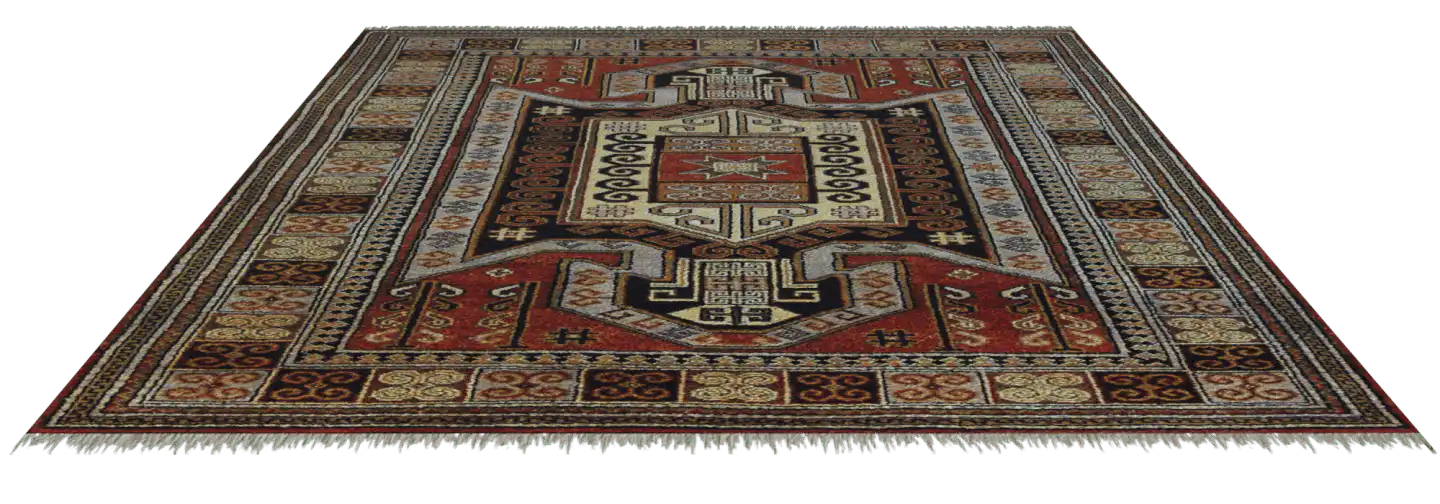
In many of the beautiful, historic homes throughout Redlands, area rugs are more than just floor coverings—they are pieces of art. Whether it is a hand-knotted Persian passed down through generations, a vibrant Turkish Kilim, or a delicate silk tapestry, these textiles represent a significant financial and sentimental investment.
However, caring for these masterpieces requires a completely different skillset than cleaning standard wall-to-wall carpet. A common mistake homeowners make is assuming that “carpet is carpet” and allowing a general cleaner to run a steam wand over their antique wool rug. This can lead to disaster. Fine rugs are constructed differently, dyed differently, and hold dirt differently than modern synthetic carpeting. Preserving their beauty and value requires a specialized approach that respects the integrity of the fiber and the history of the weave.
The Anatomy of a Knot: Why Dust is the Enemy
To understand why professional maintenance is non-negotiable for fine rugs, you have to look deep into the pile. Unlike synthetic carpets where the fibers are glued to a backing, Oriental rugs are woven. The “foundation” consists of warp and weft threads, and the pile is created by tying thousands of individual knots around them.
In the dusty climate of the Inland Empire, microscopic grit settles deep into these knots. A standard vacuum cleaner simply cannot reach the base of a dense wool rug. Over time, this trapped sand acts like a microscopic saw. As you walk over the rug, the grit grinds against the delicate wool or silk fibers, slicing them at the base. This is why you might see a “dust” that looks like the rug’s color under the rug—it is actually the rug disintegrating. Conservation experts at the Textile Museum emphasize that removing this dry particulate soil before washing is the most critical step in rug care. If you wash a rug while it is still full of dust, you essentially create mud in the foundation, which creates a brick-like stiffness when it dries.
Wool, Silk, and the Risk of “Bleeding”
The materials used in fine rugs—typically wool, silk, or cotton—are natural fibers. They react to chemistry very differently than the nylon or polyester found in wall-to-wall carpeting.
- Wool: Contains small scales that can lock together and felt (shrink) if subjected to high heat or aggressive agitation. It also has a natural pH that must be respected; using high-alkaline detergents designed for synthetic carpet can strip the wool of its natural luster and cause chemical burns.
- Silk: Is incredibly strong when dry but loses up to 20% of its strength when wet. It requires gentle handling to avoid texture distortion.
- Dyes: Perhaps the biggest risk is dye migration (bleeding). Many antique rugs use vegetable dyes that are not as chemically stable as modern synthetic dyes. If an untrained cleaner applies hot water and high pressure, the vibrant reds and blues can bleed into the cream or white sections of the rug, ruining the pattern permanently.
We perform distinct dye stability tests before cleaning to determine the safest method for your specific piece. This might involve using acidic stabilizers or lower temperatures to ensure the colors stay crisp and separated.
Protecting the Lanolin
One of the reasons wool rugs are so prized is their natural resilience and stain resistance. This is largely due to lanolin, a natural waxy oil found in sheep’s wool. Lanolin prevents liquid spills from soaking in immediately and gives the wool its soft, healthy sheen.
Harsh supermarket cleaners or standard carpet shampoos are often degreasers. While great for removing pizza grease from polyester, they are terrible for wool because they strip away the lanolin. Once the lanolin is gone, the wool becomes dry, brittle, and soils much faster. Professional rug cleaning utilizes wool-safe, pH-balanced solutions that clean the fiber without stripping its essential oils. Resources like the Oriental Rug Retailers of America (ORRA) highlight that proper chemistry is the key to longevity, ensuring your rug remains soft and vibrant for decades to come.
Your Redlands Experts for Oriental Rug Cleaning
Your fine rugs deserve a level of care that matches their quality. We combine traditional cleaning wisdom with modern technology to safely remove deep soil without compromising delicate fibers or dyes. Trust Taylor’s Carpet Care to protect your heirlooms. Learn more about our specialized process on our Oriental Rug Cleaning page or schedule an inspection via our Contact Us link.