 Skip to content
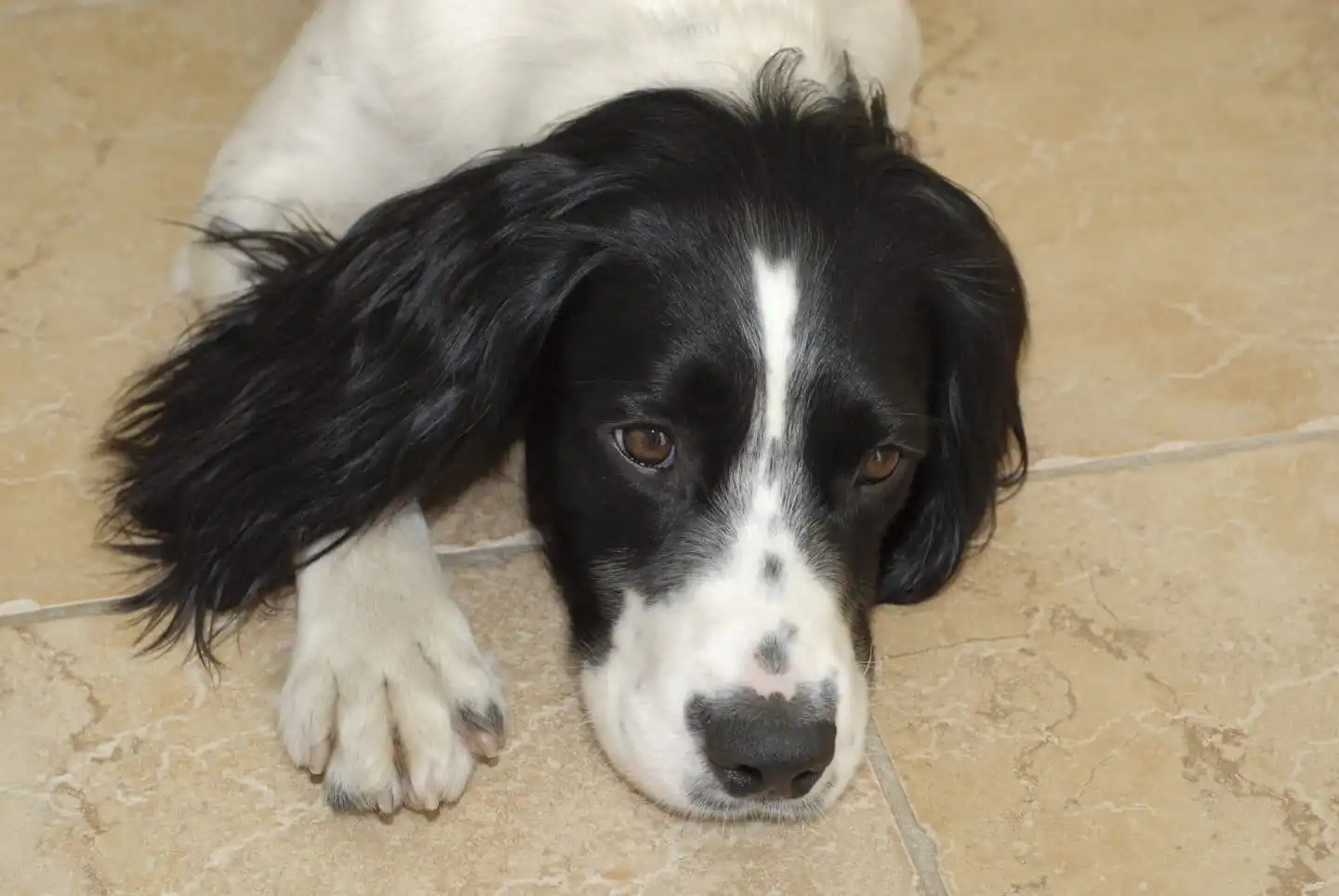
We love our pets in Redlands. From hiking the trails in San Timoteo Canyon to relaxing in our backyards, dogs and cats are integral parts of our families. However, even the best-trained companion can have an accident. When they do, it creates one of the most stubborn problems a homeowner can face: the recurring odor. You clean the spot, spray it with a bottle from the pet store, and the smell seems to vanish—only to return with a vengeance three weeks later on a humid afternoon.
This phenomenon isn’t all in your head, and it isn’t because you didn’t scrub hard enough. It is a matter of chemistry. Pet urine is a complex cocktail of bacteria, hormones, and uric acid. While DIY cleaners can handle the water-soluble components, they often fail to address the chemical source of the smell, leading to a cycle of frustration and potential damage to your home’s subfloor.
The “Iceberg Effect”: What You See vs. What You Smell
When a pet urinates on the carpet, gravity takes over immediately. The liquid is warm and acidic, allowing it to penetrate rapidly through the carpet fibers, through the backing, and into the foam padding underneath. In severe cases, it can even soak into the wooden subfloor or concrete foundation.
This creates an “iceberg” situation. The stain you see on the surface is just the tip. The reservoir of urine is trapped in the sponge-like padding below. When you use a paper towel or a standard carpet cleaner, you are only treating the top layer. You might remove the yellow stain, but the source of the odor remains untouched below. According to the Humane Society, unless you neutralize the urine at every level it has touched, the scent markers remain, often encouraging your pet to mark the same spot again in a misguided attempt to “refresh” their territory.
The Problem with Uric Acid Crystals
The primary reason pet odors return is uric acid. As the urine dries, the liquid evaporates, but the uric acid crystallizes. These microscopic salt crystals bind tightly to the fibers and padding. They are not water-soluble, meaning standard soap and water will not wash them away.
Here is where the chemistry gets tricky: Uric acid crystals are hygroscopic, meaning they attract and absorb moisture from the air. In the dry heat of a Redlands summer, the crystals might lay dormant and odorless. But as soon as the humidity rises, or if you clean the carpet with water later, the crystals rehydrate. As they break down, they release ammonia gas, bringing that sharp, pungent smell back to life. This is why “steam cleaning” a pet stain without the proper pre-treatment can actually make the room smell worse temporarily—you are waking up the dormant crystals.
Sub-Surface Extraction: The Only Real Solution
To truly eliminate the odor, you have to go deeper than the surface. Professional pet urine removal involves a process called sub-surface extraction.
We start by saturating the affected area with a specialized enzymatic solution. Unlike standard detergents, enzymes are biological agents that “eat” the organic matter and break down the uric acid crystals structure. Once the crystals are liquefied, we use a specialized tool (often called a “Water Claw”) that creates a seal around the spot. This tool uses powerful vacuum suction to pull the solution—and the dissolved urine—up from the padding and backing, not just the surface fibers. By flushing the contamination out of the pad, we remove the fuel source for the odor. Health experts at WebMD agree that enzymatic cleaners are the gold standard for biological waste, as they digest the bacteria rather than just perfuming over it.
Your Redlands Experts for Pet Urine and Odor Removal
Don’t let a “good boy’s” bad day ruin your home. We utilize advanced enzymatic chemistry and sub-surface extraction tools to remove the source of the smell, not just mask it. Trust Taylor’s Carpet Care to restore freshness to your floors. Learn more about our targeted treatments on our Pet Urine and Odor Removal page or call us for help via our Contact Us link.